 800-503-2102
 Chat with ZAF
Key Takeaways:
- Whether you can sue Uber or must file a claim against the driver depends on the driver’s app status at the time of the accident, which determines which insurance policy applies.
- Most Uber accident claims are resolved through insurance, not lawsuits, and you can start the process without upfront legal fees — ZAF Legal’s AI assistant can guide you step by step.
- Documenting evidence, seeking immediate medical care, and understanding your rights are crucial first steps to protect your health and maximize your compensation after an Uber accident.
Most people assume they need to sue Uber directly after a rideshare accident. Here’s what actually happens: many claims are resolved through insurance coverage that depends on whether the driver’s app was on, waiting for rides, or driving passengers. This determines which policy of insurance ends up paying your medical bills and other expenses.
If you’re worried that pursuing a claim feels aggressive or unnecessary — it’s not. You were hurt through no fault of your own, and this process exists to help you recover what you’ve lost. Seeking compensation isn’t about being “that person.” It’s about being made whole after someone else’s mistake changed your life.
Whether you can sue Uber after an accident depends on fault, the driver’s app status, and which insurance applies when your crash happened. You don’t have to figure this out alone or worry about upfront costs. ZAF Legal’s free AI assistant walks you through your options, helping you understand your rights and build your case with confidence. More importantly, ZAF can connect you, for free, to a skilled attorney who can explain whether turning the case over to a lawyer is likely to add value to your case.
Who You Can Sue After an Uber Accident: Uber, the Driver, or Both?
The answer depends on who caused the accident and what the Uber driver was doing when it happened. Whether you can sue Uber directly or have to sue the driver comes down to the driver’s app status and the specific circumstances of your crash.
How the Driver’s App Status Affects Your Coverage
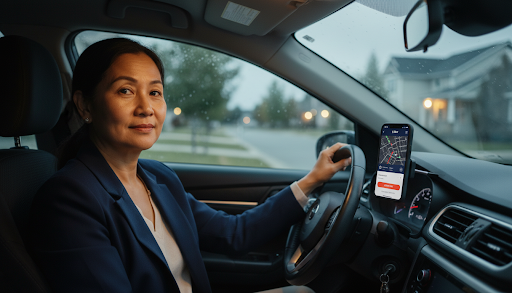
The driver’s Uber app status at the time of your accident determines which insurance policy covers your medical bills and other damages. If the app was off, only the driver’s personal insurance applies, which may have low limits. When the app is on but waiting for rides, Uber provides limited coverage. If the driver was en route to pick up a passenger or actively transporting someone, Uber’s full liability coverage applies, typically providing significantly more money for your medical expenses and lost wages.
Why You Usually Don’t Need to Sue Right Away
Most Uber accident claims start as insurance claims against whoever caused the crash, and insurance claims don’t require any upfront costs from you. Suing Uber directly is less common and usually happens when there are issues like disputed liability, negligent hiring, or app malfunctions. The insurance claim process often resolves your case without going to court, getting you compensation for medical bills and lost wages faster than filing a lawsuit immediately.
In fact, many people with small, straightforward Uber accident claims have managed their cases independently with the right tools and guidance. ZAF’s platform is designed to help you navigate this process on your own, with attorney backup available whenever you need it. You might even have a case that you can handle with just a little bit of free guidance from a ZAF lawyer. Full disclosure, you are likely to net the most from your claim by hiring a lawyer rather than doing it yourself.
How to Determine App Status and Start Your Claim
You can find the driver’s app status through your trip receipt, the police report, or by requesting records from Uber. This information doesn’t require hiring an attorney upfront. You can gather these details through free resources or get step-by-step guidance from ZAF’s AI assistant. Once you know the app status and who was at fault, you can open insurance claims early and escalate to a lawsuit only if negotiations stall.
First Things First: Steps to Take If You Were Injured in an Uber Accident
If you’re wondering what steps you should take if you were injured in an Uber accident, your immediate priorities are getting medical care, securing evidence, and preserving your right to compensation. These actions protect both your health and your ability to recover what you’re owed later.
- Get medical attention immediately, even if you’re worried about the bills. ER visits, urgent care, or primary care appointments are typically recoverable through your claim. Don’t refuse medical treatment — if you are experiencing any symptoms at all, get checked out. Many people worry about ambulance costs, but if the accident was not your fault, you should not hesitate to accept that ride if it is offered. You can ask providers to bill your health insurance first and explain that you’ll seek reimbursement from the settlement. Medical care should never be delayed due to cost concerns.
- Call 911 if anyone is injured or there’s significant vehicle damage. Police reports provide official documentation of the accident, and paramedics can assess injuries that might not be immediately apparent. Research shows that adrenaline can mask concussion symptoms and other injuries that become apparent hours later. Avoid saying you are “fine” or uninjured at the scene.
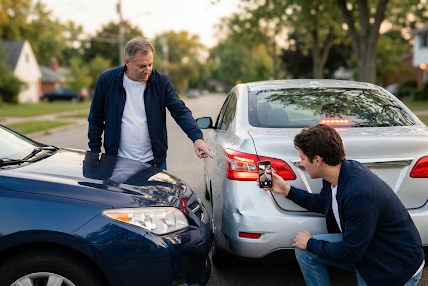
- Document everything at the scene before you leave. Take photos of all vehicle damage, your injuries, the accident location, traffic signs, and road conditions. Collect contact information from witnesses and other drivers involved. This evidence disappears once you leave the scene.
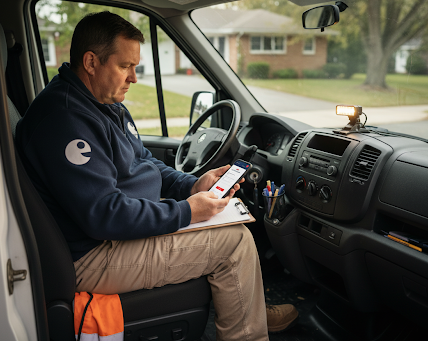
- Capture all ride details through the Uber app. Screenshot your trip screen showing the driver’s name, photo, license plate, and trip timestamps. Report the crash through the Uber app immediately and request the incident number. Get the driver’s insurance information and photograph their license and registration.
- Preserve proof of your financial losses from day one. Keep every receipt related to the accident, including pharmacy purchases, medical copays, and repair estimates. Save your work schedules and pay stubs to document lost wages, as these will be important for calculating your compensation.
- Avoid giving recorded statements to any insurance company before consulting with an attorney. The general rule of thumb is to avoid discussing injuries with the at-fault driver’s insurer — or Uber’s insurer — until you have at least consulted with a personal injury lawyer about your case. Most firms, including ZAF, offer free consultations.
- Choose your path forward with the right support. Whether you handle your claim independently or work with an attorney, ZAF Legal offers three clear options to help you understand your rights. Start with ZAF’s AI assistant for immediate guidance at no cost.
Build a Strong Case: Evidence You Need to Support a Claim Against Uber or the Driver
The strength of your claim depends on proving what happened and documenting your losses. Start by requesting Uber’s trip records and insurance information through their app’s Safety Toolkit, noting whether the driver was waiting for a ride, en route to pick you up, or actively transporting passengers. This timing matters because different insurance policies kick in depending on what the driver was doing when the accident happened. Take screenshots of your ride details, driver profile, and trip timeline before they disappear from your account.
Beyond the digital records, your medical bills and lost wages form the foundation of your claim’s value. Keep every appointment note, imaging result, prescription receipt, and employer letter that documents missed shifts or reduced hours. Independent evidence like 911 call recordings, police reports, witness contact information, and nearby business security footage can make the difference between a quick settlement and a drawn-out dispute. These records often get overwritten or lost, so gather them quickly while they’re still available.
How to File an Insurance Claim After an Uber Accident
Once you’ve documented the scene and received medical care, the next step is filing your insurance claim. Even when the accident wasn’t your fault, reporting to your own insurer is an important safeguard.
- Contact your own insurer within 24–48 hours with basic facts: time, location, parties involved, and police report number. Your insurer becomes your advocate and safety net throughout the process.
- Provide factual summaries only to your insurer. Avoid speculation about the full extent of your injuries or fault during initial reporting.
- Decline recorded statements from the other driver’s insurance company or Uber’s insurer until you understand your rights and the value of your claim.
- Use your MedPay or PIP coverage immediately for medical bills while the liability claim develops. Be advised, PIP coverage is not required in every state, so it may not be available in your case. You can easily find out by asking your own insurer if there is any PIP coverage applicable to the claim.
- File a report through Uber’s app in addition to your standard insurance claim. This creates a record with Uber and triggers their internal claims process.
Once you are done treating, you or your lawyer will submit a demand for the at-fault party’s insurer to compensate you for all your medical bills, plus other economic and non-economic losses. Pain and suffering often represent the largest portion of your claim’s total value — don’t underestimate it.
Uber Accident FAQs
After an Uber accident, you’re already dealing with injuries and worried about bills piling up. These frequently asked questions about suing Uber after an accident give you clear answers about your rights and options without the legal jargon that makes everything feel more overwhelming.
How much compensation can you get from suing Uber after an accident?
Compensation depends on your injuries, lost wages, and which insurance applies. Uber maintains $1 million liability coverage when drivers are en route or on trips. Settlements typically cover medical expenses, lost wages, and pain and suffering,and pain and suffering is usually the lion’s share of the total value of the case.
Keep in mind that many Uber accident victims accept early offers without realizing what their case could actually be worth. Insurance companies are betting you don’t know the full value of your claim. Getting a free evaluation before responding to any offer can make a meaningful difference in your outcome.
Who pays my medical bills now if my claim is still pending?
Your health insurance typically covers immediate care, then gets reimbursed from your settlement later. Emergency rooms can’t turn you away for inability to pay. Ask providers about payment plans or billing the at-fault driver’s insurance directly. Past medical expenses are recoverable through your claim.
How health insurance reimbursement works varies by state and policy type. ZAF’s AI assistant can help you understand what applies to your specific situation.
Does Uber’s insurance cover me as a passenger, another driver, or a pedestrian?
Coverage depends on your role and the driver’s app status. Uber’s insurance typically provides $1 million for passengers when en route or on trips. For pedestrians and other drivers, coverage drops to $50,000 per person/$100,000 per accident when drivers are online but waiting for rides. When the app is off entirely, only the driver’s personal auto policy applies.
How long do I have to file, and do I really need a lawyer, or can I DIY?
Most states give you 1–4 years to file a lawsuit, but start insurance claims immediately. Many people handle straightforward cases themselves using tools like ZAF’s AI assistant for guidance — it even gives you tools to DIY the case if you choose. Cases with complex injuries or disputed fault often benefit from attorney help on contingency, meaning no upfront fees and the lawyer is only paid from the settlement.
Regardless of which path you choose, avoid giving recorded statements to any insurance company before you understand your rights and the value of your claim. A free consultation can help you avoid common mistakes that reduce your compensation.
Can I get compensation without paying upfront attorney fees?
Yes. Most personal injury attorneys work on contingency fee arrangements — typically 33–40% of the final settlement — meaning you pay nothing unless they recover money for you. And the vast majority of claimants will net more, even after paying attorney fees, than they would handling the case entirely on their own. ZAF Legal’s experienced attorney network connects you with lawyers who offer free consultations to evaluate your case.
Next Steps: Protect Your Health, Document Your Claim, and Choose Your Path
After an Uber accident, you have real options for getting compensation without upfront costs. Whether you pursue insurance claims or need to file a lawsuit depends on the driver’s app status and who was at fault. The key is acting quickly to protect your health and document everything before important details are lost.
Your financial concerns are valid, and it’s completely normal to feel uncertain about this process. But you don’t have to navigate this alone or worry about attorney fees eating into your recovery. No-cost legal help after an Uber accident comes in different forms, and you can choose what works best for your situation.Start your free claim assessment with ZAF Legal and explore three clear paths forward: use the AI assistant to guide you through a DIY claim, schedule a free consultation with an experienced attorney, or choose full-service representation on a contingency basis where most clients end up with more money in their pocket — even after attorney fees — than they would have received handling the case themselves. Whatever you choose, ZAF puts the power back in your hands.